
Ontario car insurance

Car insurance that fits how you drive

We compare quotes from multiple insurers and explain every option in plain language, so you pay for the coverage you need and nothing you don’t.

  • We shop multiple insurers for you
  • Plain answers, no jargon
  • Help when you have a claim
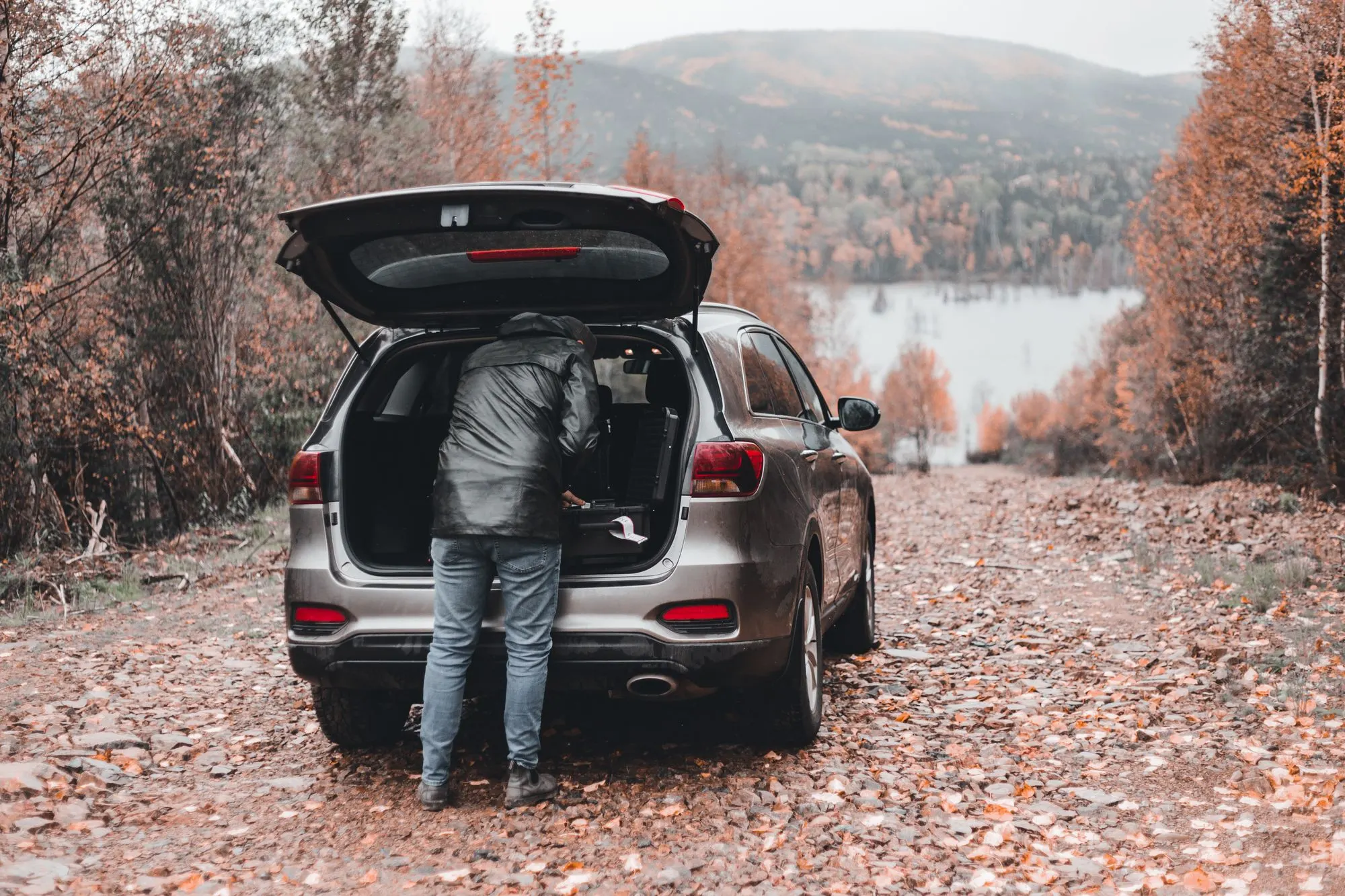
Driver loading the back of an SUV on an autumn lakeside road
What’s covered

Coverage we can arrange

Third-party liability

Pays for claims if you injure someone or damage their property. Ontario law requires at least $200,000, and many drivers choose $1 million or more.

Accident benefits

Helps with medical, rehabilitation and attendant care costs if you’re hurt in a collision, no matter who caused it. You can add optional benefits such as income replacement.

Direct compensation

DCPD covers damage to your car from an accident in Ontario when another insured driver is at fault. You collect from your own insurer.

Uninsured automobile

Protects you if you’re hurt by an uninsured or hit-and-run driver, and can cover damage caused by an identified uninsured driver.

Damage to your own car

Optional cover for your own car. Collision handles crashes and rollovers. Comprehensive handles theft, fire, vandalism, hail and falling objects.

Useful add-ons

Rental car while yours is in the shop, cover for rented or borrowed cars, waiver of depreciation on a newer vehicle, and family protection.

What Ontario law requires

Car insurance is mandatory in Ontario. If you own a vehicle and drive it on a public road, your policy must include third-party liability, statutory accident benefits and uninsured automobile coverage.

Direct compensation for property damage (DCPD) is also part of every standard policy. Since January 2024, you can choose in writing not to claim it, but that’s rarely the right move for most drivers. We’ll walk you through the trade-off before you decide.

The legal minimum for liability is $200,000. That limit can disappear quickly after a serious crash, so we usually talk through higher limits with every client.

Collision and comprehensive are optional. If your car is financed or leased, your lender will likely require them.

Accident benefits: what changed in July 2026

For policies bought or renewed on or after July 1, 2026, medical, rehabilitation and attendant care benefits are the only mandatory accident benefits.

Benefits such as income replacement, caregiver, housekeeping and death and funeral benefits are now optional. You can add them back if you need them.

This choice matters. If you don’t have strong workplace benefits, or your family relies on your income, dropping these benefits could leave a real gap after an accident. Before your next renewal, we can review what you have through work and help you decide what to keep.

You can also choose higher limits for the mandatory medical, rehabilitation and attendant care benefits. We’ll show you how each choice affects your premium.

How we help you find the right price

As a broker, we don’t work for one insurance company. We compare options from multiple insurers and show you the differences side by side.

Rates depend on many things: your driving record, where you live, the car you drive, how far you commute and the deductibles you pick. We look at all of them with you.

At renewal, we can shop your policy again so you don’t stay with a price that no longer makes sense. Here are a few ways drivers may save:

  • Bundling home and auto may lower your premium
  • Winter tires can earn a discount with some insurers
  • A higher deductible can reduce your monthly cost
  • Telematics programs may reward safe driving
  • Experienced drivers and multi-car households may qualify for savings

Insurance broker going over policy options with a client
How we help

One broker, several insurers

  • Tell us what you need by phone or with our short online form
  • We compare options from more than one insurance company
  • We explain the differences in plain language, then you choose
  • We help with changes, renewals and claims questions later
Start my quote
FAQ

Common questions

Is car insurance mandatory in Ontario?

Yes. Every vehicle driven on Ontario roads must be insured. A standard policy includes third-party liability (at least $200,000), statutory accident benefits, uninsured automobile coverage and direct compensation for property damage.

Is collision insurance mandatory in Ontario?

No. Collision and comprehensive are optional. Many drivers keep them on newer cars, and lenders usually require them on financed or leased vehicles.

Which accident benefits are still mandatory after July 1, 2026?

Medical, rehabilitation and attendant care benefits remain mandatory. Others, such as income replacement, caregiver and housekeeping benefits, are optional and can be added to your policy.

How can I lower my car insurance in Ontario?

Comparing insurers is the biggest step. Bundling with home insurance, choosing a higher deductible, installing winter tires and joining a telematics program may also help. Results vary by insurer and driver.

Can you insure me if I have tickets or a past claim?

Often, yes. Some insurers are more flexible than others with tickets, claims or lapses in coverage. We’ll look for the insurers most likely to accept your situation.

Ready to compare quotes?

It takes a few minutes, and there’s no obligation.

Call usGet a free quote