

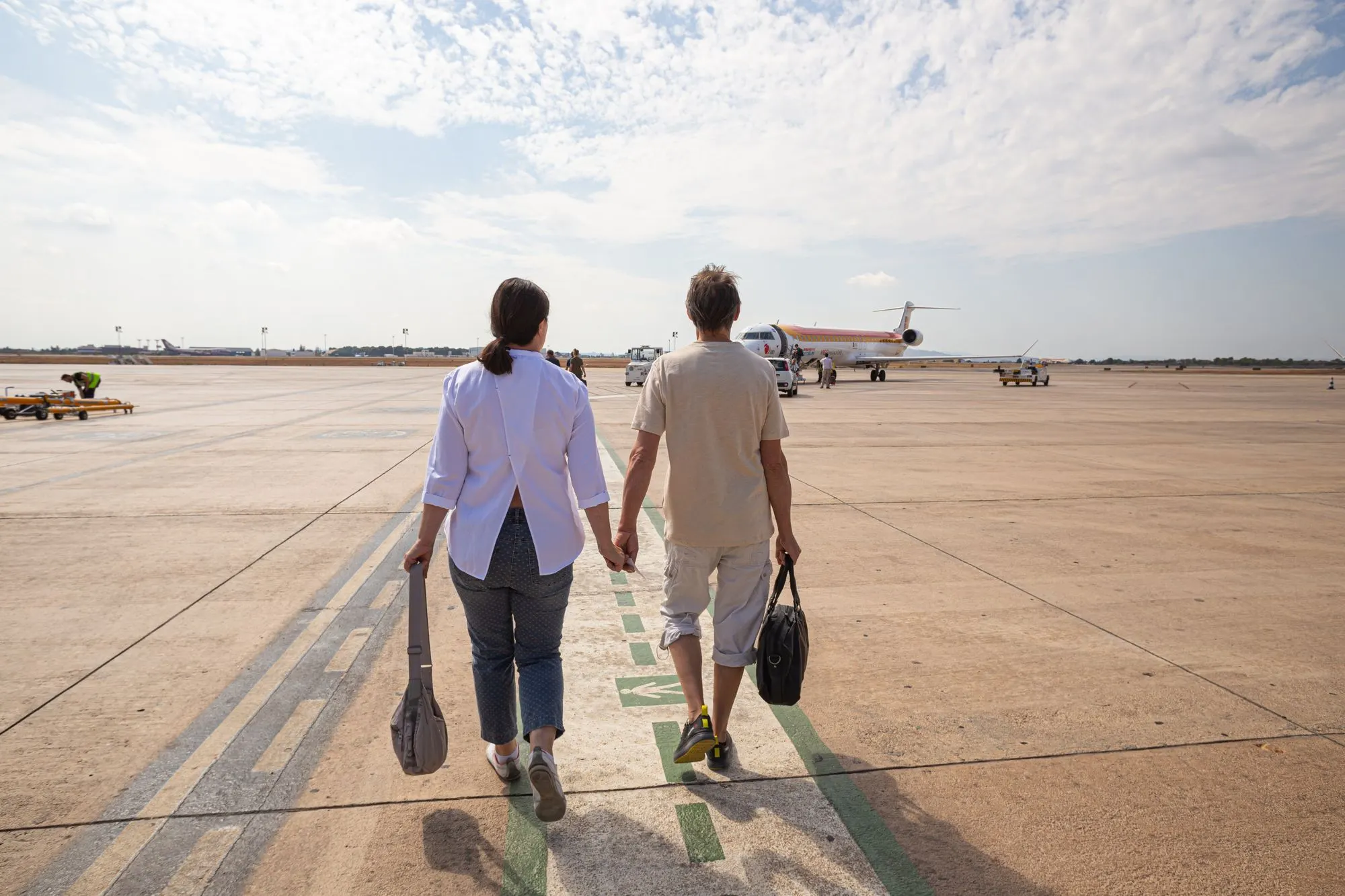
Why OHIP isn’t enough when you travel
OHIP offers very limited coverage, if any, for emergency care outside Canada. A short hospital stay in the United States can cost tens of thousands of dollars, and you’d be expected to pay.
Even inside Canada, travelling to another province can leave gaps, such as ambulance rides or prescriptions. A travel plan fills those gaps.
Many people assume their credit card or workplace plan has them covered. Sometimes it does, but often with low limits, short trip lengths or age cut-offs. Send us the details and we’ll help you see what you already have before you buy anything new.
The best time to buy is right after you book. That way, cancellation cover can start early and your medical plan is ready the day you leave.
Choosing the right type of plan
A single-trip plan covers one trip for the exact number of days you need. It suits most holidays and visits home.
An annual multi-trip plan covers every trip in a 12-month period, as long as each trip stays within the plan’s day limit. If you travel two or three times a year, it can cost less than buying separate plans.
An all-inclusive plan bundles emergency medical with cancellation, interruption and baggage cover. It’s worth a look when you’ve prepaid a cruise, tour or resort package. We’ll compare plans from multiple insurers and point out the differences that matter for your trip.
Pre-existing conditions and seniors
Most travel medical plans have rules about pre-existing conditions. Many require a condition to be stable for a set period before you leave, and the period varies by plan and age.
Older travellers may be asked to complete a medical questionnaire. Answering it accurately is important. A wrong answer can lead to a denied claim when you need it most.
We’ll go through the questions with you, explain what “stable” means in each policy and help you find a plan that fits your health and your budget.
If your health or medication changes before you leave, let your insurer know. A change can affect your coverage, and it’s far easier to sort out before the trip than after a claim.