

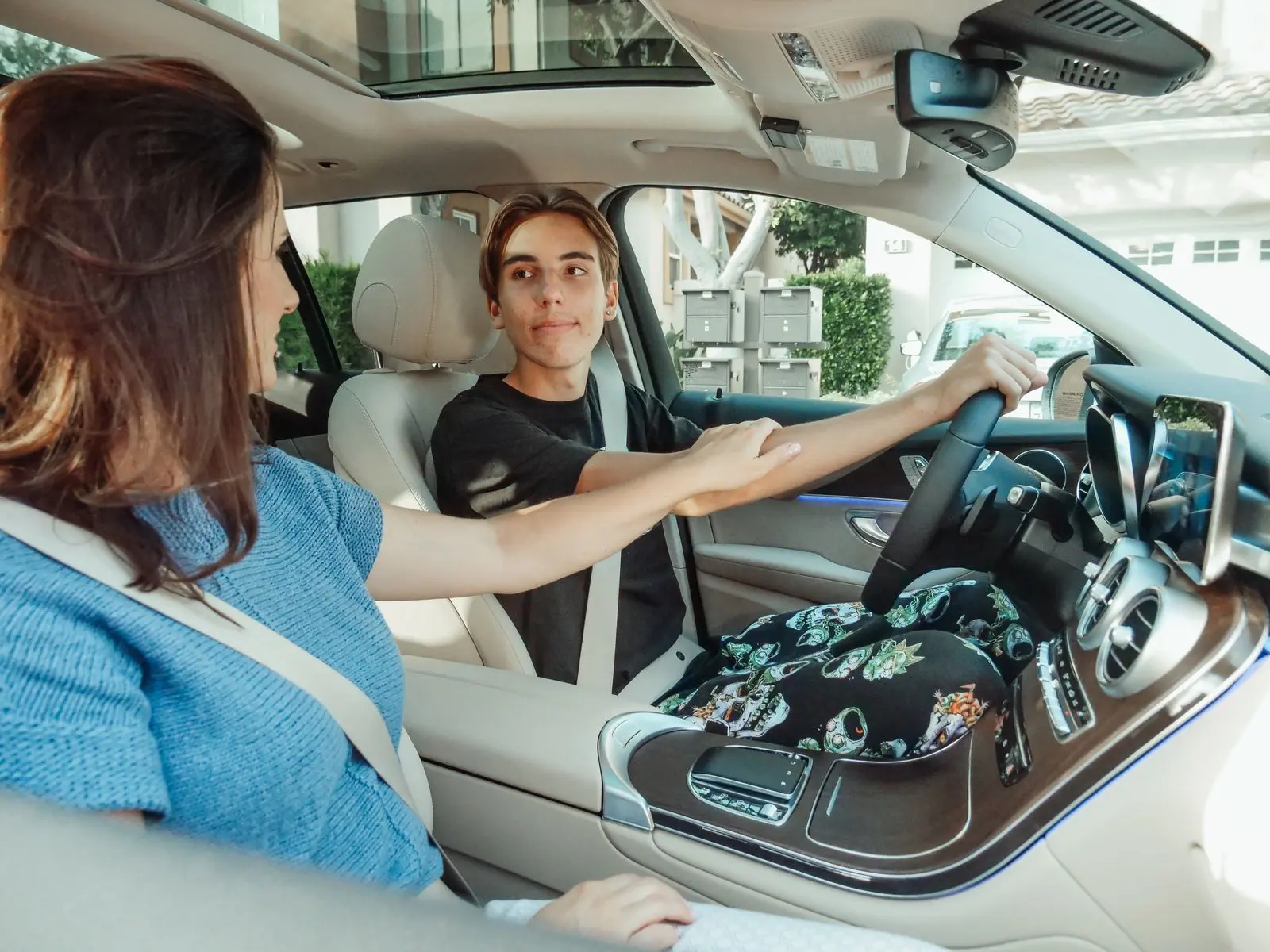
When someone in your household gets a G1 or G2 licence, tell your insurer and get them properly listed on the policy before they drive. New drivers usually raise premiums, but how you list them, whether they take an approved course, and how they build their record can all affect what you pay. The one thing never worth doing is misdescribing who really drives the car.
This guide covers Ontario’s graduated licensing rules, how adding a new driver works, and honest ways to keep the cost manageable.
How graduated licensing works in Ontario
According to Ontario.ca, new drivers must be at least 16, pass a vision test and a knowledge test, then work through two learning levels and two road tests. For most people the process takes about 20 months, and you have up to five years to finish it. If you do not get your full G within five years, you start over.
| Stage | How long | Key rules |
|---|---|---|
| G1 | Usually 12 months; 8 months with an approved driver education course | Zero blood alcohol; must drive with a fully licensed driver with at least four years’ experience; no driving midnight to 5 a.m.; no 400-series highways or high-speed expressways (unless with a certified driving instructor); every passenger needs a working seatbelt |
| G2 | At least 12 months | Can drive alone, on all roads, at most times; zero blood alcohol; only as many passengers as working seatbelts; extra passenger limits at night for drivers 19 and under |
| Full G | Ongoing | Full driving privileges after passing the G road test |
G1 details worth knowing
The accompanying driver must have a blood alcohol level under .05 (zero if they are 21 or under) and must be the only other person in the front seat. If the G1 driver is with an Ontario-certified driving instructor, they can drive on any road.
G2 rules for drivers 19 and under
Between midnight and 5 a.m., a G2 driver aged 19 or under can carry only one passenger aged 19 or under for the first six months. After six months, that rises to three. These limits do not apply when a fully licensed driver with four or more years of experience is in the car, or when the passengers are immediate family.
Adding a new driver to your policy
Tell your insurer early
FSRA lists your responsibilities as a policyholder, including giving true and accurate information and promptly telling your insurer about any change in circumstances that could affect your insurance. A new licensed driver in the household is exactly that kind of change. Ask your broker how your insurer treats G1 drivers specifically, since practices differ between companies.
Understand who is covered
Your Certificate of Automobile Insurance lists the drivers on your policy. Since the July 2026 accident benefits reform, FSRA also notes that optional accident benefits cover the named insured, their spouse, dependants, and persons specified in the policy as drivers. Listing your new driver correctly matters for their own protection, not only for the premium.
Occasional vs principal driver: be honest
An insurer generally wants to know who drives each vehicle most. A principal driver is the main user of a car; an occasional driver uses it some of the time.
FSRA’s own tip for young drivers is to consider gaining experience as a named occasional driver on a parent’s or guardian’s policy rather than as the principal driver of their own vehicle, noting that premiums for young occasional drivers are much lower than for young principal drivers.
That only works when it reflects reality. If your G2 teen drives the second car to school and work every day, they are its principal driver, and listing them as occasional would give your insurer inaccurate information. Inaccurate details on an application can put a future claim at risk, and knowingly giving an insurer false information is an offence under Ontario’s Insurance Act. When in doubt, describe how the car is really used and let your broker find the best accurate set-up.
Picture the week, not the paperwork. Ask “who has the keys most days?” for each car. If the honest answer changes, tell your broker so the policy keeps up with real life.
Ways to manage the cost
Premiums for new drivers depend on age, driving record, vehicle, location, coverage and the insurer. There is no single number to expect, but several things may help.
Approved driver education
Completing a government-approved beginner driver education course lets a G1 driver take the G2 road test after 8 months instead of 12, according to Ontario.ca. On the insurance side, FSRA says most companies offer a discount or reduced premium for new drivers who complete a recognized driver-training program. Confirm with your insurer which courses it recognizes before you pay for one.
The graduated licence discount
FSRA states that drivers who progress through the graduated licensing system should receive a 10 percent rate reduction on all coverages for one year when they move to G2, provided they have no chargeable convictions or at-fault accidents. Another 10 percent reduction for one year should apply when they become fully licensed (Class G), if their G2 period was free of chargeable convictions and at-fault accidents. Ask your broker to confirm it has been applied at each step.
Usage-based insurance (telematics)
Some insurers offer usage-based programs that use an app or device to record how, when and how much a vehicle is driven. FSRA describes these programs as giving drivers more control over price by charging less for safe driving and low kilometres, and more for risky driving and high kilometres. All new or amended programs must be approved by FSRA. For a careful new driver, a telematics program may help, but read how the insurer uses the data, including whether it can increase the premium, before you enrol.
Choose the car wisely
FSRA notes that vehicles with high theft rates cost more to insure, and that the type of vehicle is one of the factors insurers use. A sensible, less-targeted car for a new driver may keep costs down.
Review deductibles and other discounts
A higher deductible can lower premiums, though you pay more out of pocket on a claim. FSRA also lists student-related discounts at some companies (for good grades or for students living away from home part of the year), plus multi-vehicle and other discounts. Our guide to Ontario car insurance discounts goes through them in more detail.
Build a clean record
FSRA puts it simply: for young drivers, a record free of at-fault accidents and driving convictions is the best way to ensure lower future premiums. Every year of clean driving counts.
A note for families in Peel Region
Location is a rating factor, and urban areas often see higher rates. If you live in Brampton or Mississauga, it is worth reading why car insurance costs more in Brampton and our Mississauga car insurance guide before you add a new driver, so the quote does not come as a surprise.
How we can help
Adding a new driver is one of the biggest changes to a family policy, and the right set-up depends on how your household really uses its cars. At 905 Auto Insurance we compare options from several insurers, check which driver-training and graduated licence discounts apply, and help you list everyone accurately. Explore our auto insurance services, see how we serve families in Mississauga, visit us at Unit 107, 7420 Airport Rd, Mississauga, or request a free quote. You can also call +1 (416) 303-2828.