
Ontario insurers offer a range of discounts that may lower your car insurance premium, and one of them, the winter tire discount, every insurer must offer. Others, like multi-vehicle, home and auto bundles, claims-free renewals, driver training and usage-based programs, vary from company to company. The catch is that discounts are rarely applied automatically, so it pays to ask.
Why discounts matter more than you think
Your premium is built from many factors: your driving record, your vehicle, where you live, how much you drive, the coverage you choose and the insurer you pick. FSRA, Ontario’s insurance regulator, reminds drivers that each company applies discounts differently and suggests checking with your broker, agent or insurer every year about the discounts that may apply to you.
A discount on its own may look small. Combined with the right coverage and the right insurer, it can make a real difference. And since every insurer weighs discounts differently, the company that rewards you most for winter tires may not be the one that rewards you most for bundling. That’s why comparing several insurers matters.
The winter tire discount: required by law
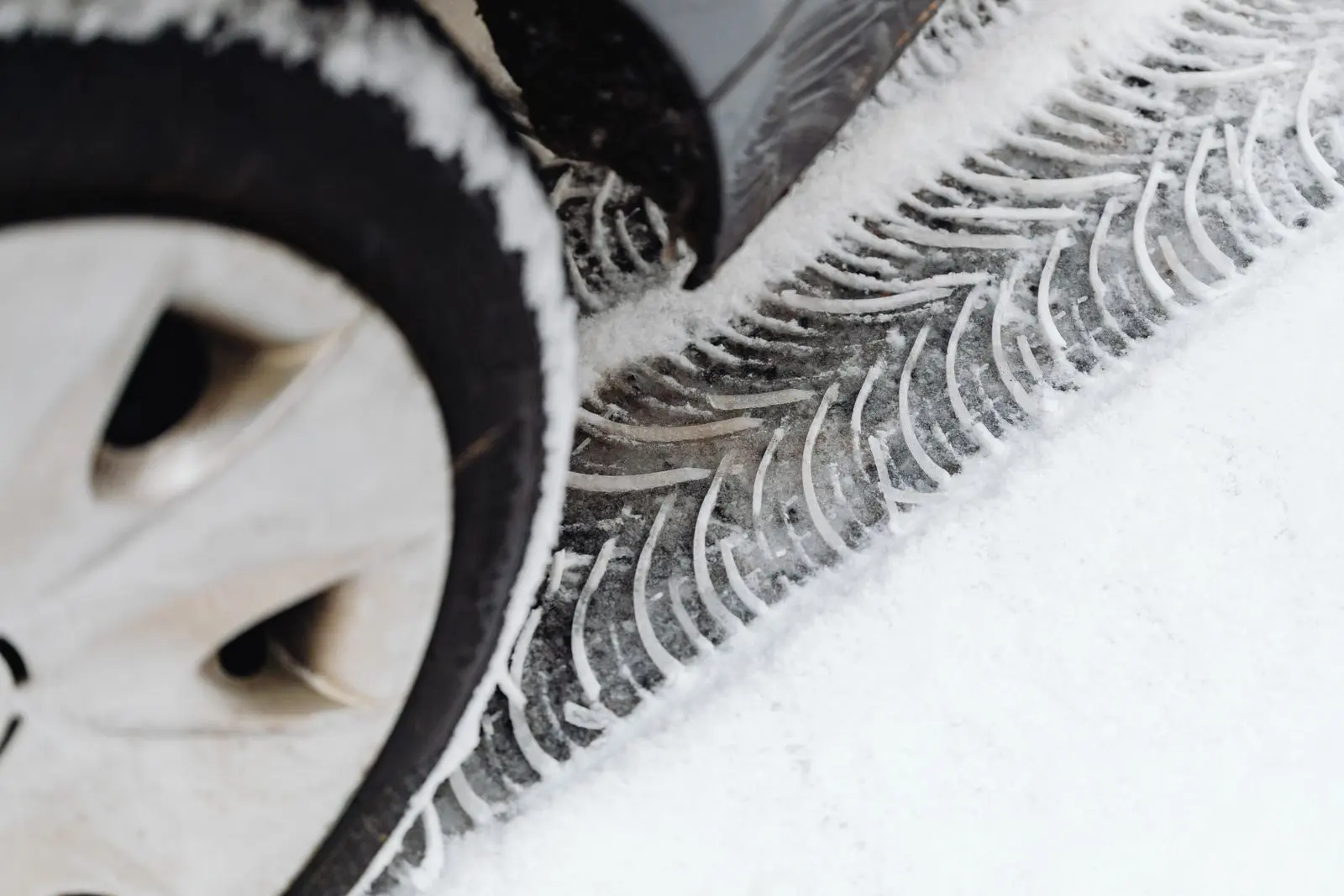
Since January 1, 2016, Ontario regulation has required insurers to include a discount for private passenger vehicles equipped with winter tires, for policies issued or renewed on or after that date. FSRA puts it simply: all insurance companies must offer a discount if you install winter tires, and you should ask your insurer how to qualify.
What the law doesn’t do is set the amount or the rules. Each insurer decides:
- How much the discount is
- Which tires qualify (for example, whether all-weather tires count)
- Whether all four tires must be winter tires
- The dates the tires must be on the car
- What proof, if any, you need to provide
Tip: Put your winter tires on before your insurer’s start date and keep your purchase or installation receipt. If you ever need to show you met the conditions, you’ll have it ready.
If you already run winter tires but don’t see the discount on your policy documents, tell your broker. It’s one of the easiest savings to miss.
Discounts many Ontario insurers offer
FSRA lists several common discounts. Some come with typical ranges published by the regulator; most simply depend on the insurer.
| Discount | What FSRA says | What to ask your broker |
|---|---|---|
| Winter tires | All insurers must offer one | Which tires and dates qualify? |
| Multi-vehicle | May be available when you insure more than one vehicle with the same company; FSRA cites a range of 5 to 15 percent | Do all our cars and drivers fit on one policy? |
| Multi-policy (bundling) | Some companies discount home and auto from the same insurer; FSRA cites 5 to 15 percent | Is the bundle cheaper overall, not just the auto part? |
| Renewal / claims-free | Some insurers reward years without an at-fault accident; FSRA cites 5 to 20 percent | How many claims-free years do I need? |
| Driver training | Most companies offer a discount for new drivers who finish a recognised course | Which courses does this insurer recognise? |
| Graduated licence | A 10 percent reduction for one year at G2 and again at G, with no chargeable convictions or at-fault accidents | Has it been applied at each step? |
| Mature driver | May apply to drivers over 50 with good records | Do I qualify at my age? |
| Retiree | May apply if you’re retired and meet conditions | What are the conditions? |
| Group rates | May apply through an employer, union or professional association | Does my workplace or association have a group plan? |
| Low mileage or alarm | Some insurers may reduce your premium | Does my yearly distance or alarm qualify? |
Percentages are FSRA’s published ranges, not a promise. The discount you actually get depends on the insurer and your profile.
Multi-vehicle and bundling
If your household has two or three cars, insuring them all with one company may earn a multi-vehicle discount. Insuring your home, condo or tenant policy with the same company may earn a multi-policy discount. Always compare the total cost. A bundle is only a saving if the combined price beats the best separate options.
Claims-free and renewal discounts
Staying with an insurer for several years without an at-fault accident may earn a renewal discount. This is worth weighing before you switch for a small saving elsewhere. Your broker can compare whether a new company’s price still wins after you give up a loyalty discount.
Driver training and graduated licensing
For new drivers, a recognised driver-training course may lead to a discount with most insurers, and FSRA says drivers moving through the graduated licensing system should receive a 10 percent reduction for one year at G2 and again at G, if they have no chargeable convictions or at-fault accidents. Our guide to adding a G1 or G2 driver to your policy goes into more detail. FSRA also notes that some insurers offer student discounts for good grades or for young drivers living away from home part of the year.
Usage-based insurance (telematics)
Usage-based insurance prices your policy partly on how you actually drive. FSRA says that if you have good driving habits, usage-based insurance can possibly help you save more.
Programs differ a lot from one insurer to the next. Before you enrol, ask:
- What data is collected, and how (an app, a device, or both)?
- Is there a discount just for signing up?
- Can my premium go up based on the data, or only down?
- Who sees the data, and how is it stored?
- What happens if another driver in the household uses the car?
If you drive long highway commutes at rush hour or often drive late at night, ask exactly how those trips are scored before you sign up.
Anti-theft devices
FSRA notes that rising auto theft in Ontario can affect your premium. FSRA encourages drivers to talk to their insurer about incentives, rebates or discount programs for anti-theft devices and other ways to reduce risk. Requirements vary, so confirm which devices count before you pay for one. If you live in Peel, our article on why car insurance costs more in Brampton explains how theft affects pricing.
The deductible trade-off
Raising your deductible is not a discount, but it works like one. FSRA explains that as a general rule, the lower your deductible, the higher your premium. Choosing a higher deductible for collision or comprehensive can lower what you pay, as long as you could comfortably cover that amount if you had a claim.
FSRA also points out that collision and comprehensive coverage may not be cost-effective on a vehicle worth less than $2,000, because a claim might not be much larger than the deductible. For an older car, ask your broker to price the policy both ways.
Be careful about trimming coverage just to save. Since July 1, 2026, several accident benefits on new policies are optional, and dropping them lowers the price but also lowers your protection. Our summary of the Ontario auto insurance changes from July 2026 explains what to weigh.
Other habits that keep your premium down
- Keep a clean record. FSRA says the better your driving record, the lower your premium.
- Update your policy when life changes. A new job, a shorter commute or a driver moving out can lower your rate.
- Pay on time. If your policy is cancelled for non-payment more than once in three years, insurers don’t have to offer monthly payments.
- Switch at renewal, not mid-term, to avoid cancellation penalties.
- Shop around regularly. Insurers change their rates over time, so last year’s best price may not be this year’s.
New to Ontario? Your driving history from another country may also affect your rate. See our guide to car insurance for newcomers in Ontario.
How we can help
We check every discount you may qualify for across several insurers, then show you the total price side by side, so you can see which combination of coverage, deductibles and discounts actually saves you the most. Learn more about our auto insurance services, or if you drive in Peel, see how we help Mississauga drivers.
Visit our office at Unit 107, 7420 Airport Rd, Mississauga, call +1 (416) 303-2828, or get a quote online. Bring your winter tire receipt.